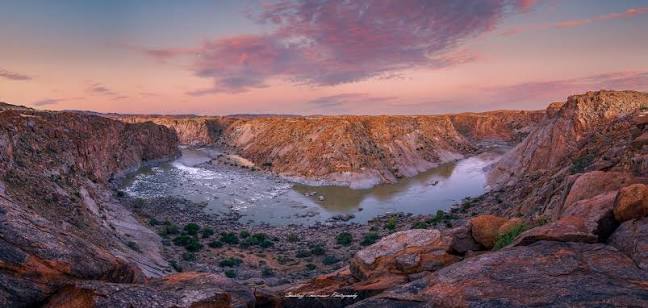
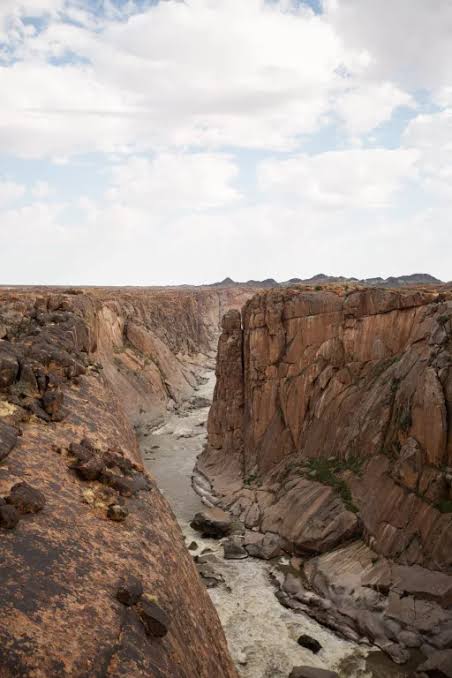
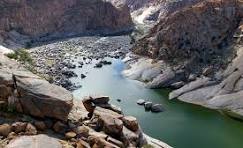



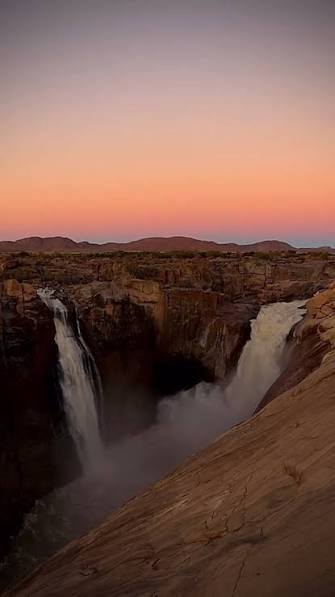
Situated in the Green Kalahari, these magnificent falls are where the Orange River thunders 56 meters down into an 18-kilometer-long, 240-meter-deep granite gorge in a central drop. During floods, the Orange River can divide into up to 19 separate channels that spill over the granite plateau, extending over a much wider area.
The name is from the Khoi word “Aukoerebis,” which means “Place of Great Noise”. The Trekboers who later settled in the area derived the name Augrabies. There are many deposits of alluvial diamonds along the Orange River and legend has it that the biggest cache of diamonds in the world lies in the swirl-hole eroded into the granite at the foot of the waterfall by the thundering waters.
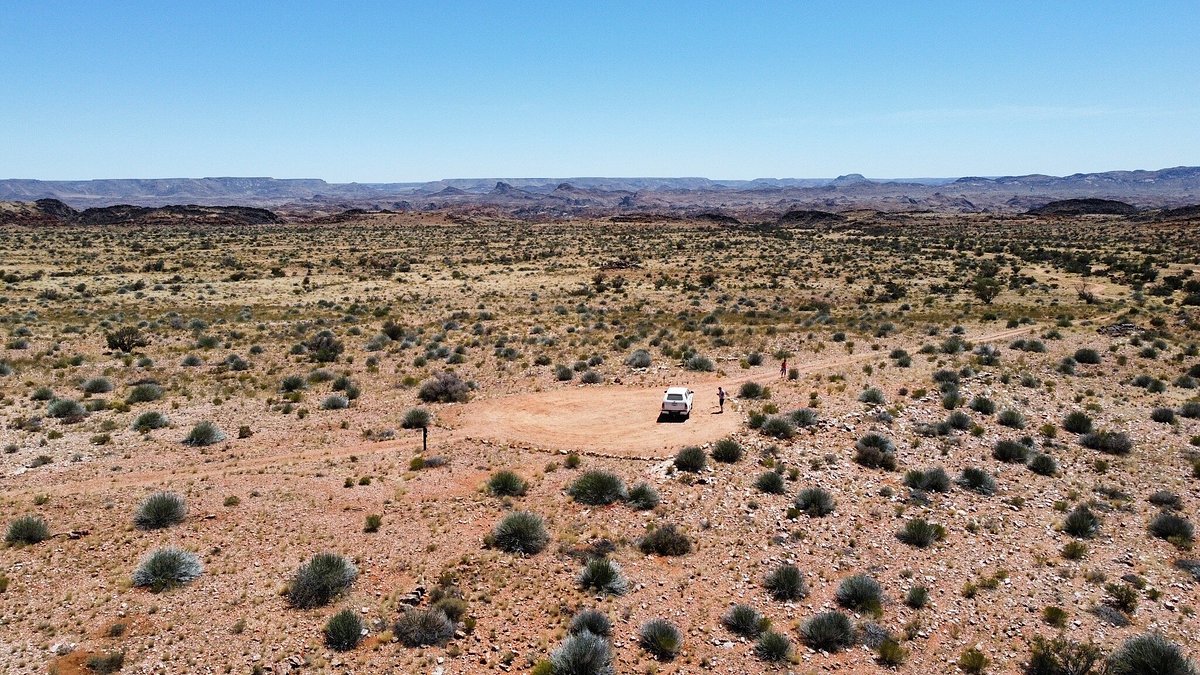
The falls and its surrounding 500 km² rocky terrain are protected within the Augrabies Falls National Park. While the area forms part of the greater Kalahari Desert, the presence of the powerful Orange River creates a lush, green oasis amid the arid, semi-desert landscape. Surrounding the falls are massive granite and gneiss domes. The most famous is Moon Rock, a massive dome 180 meters tall and 700 meters long, whose outer layers peel away like an onion due to weathering. You can walk to the top of the rock to get an overview of the park.
The ancient Khoi people historically avoided the plunge pool area because they believed it was the dwelling place of a great, mythical white water monster.
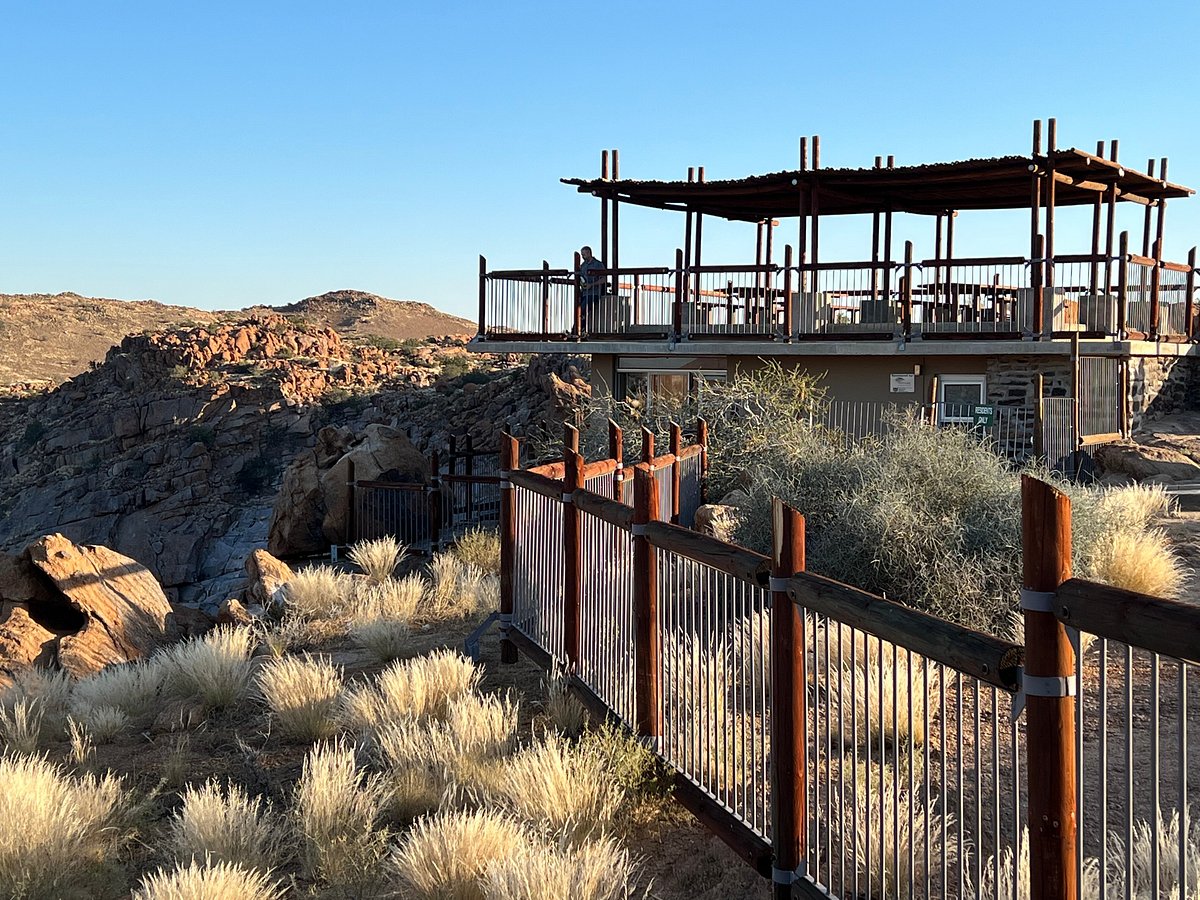
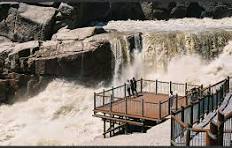
Tarred roads lead directly to the main viewing decks, where visitors can access a series of safe, metal boardwalks. The boardwalks are wheelchair friendly as are the main buildings ablutions, shop, restaurant and interactive displays.
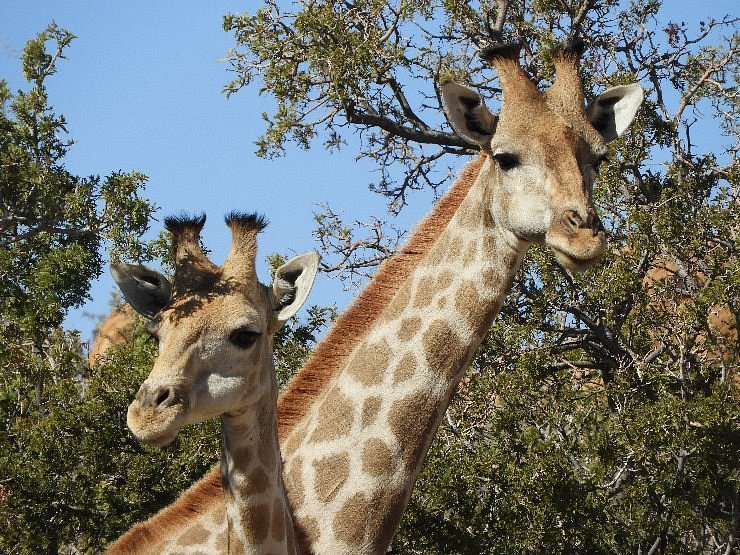
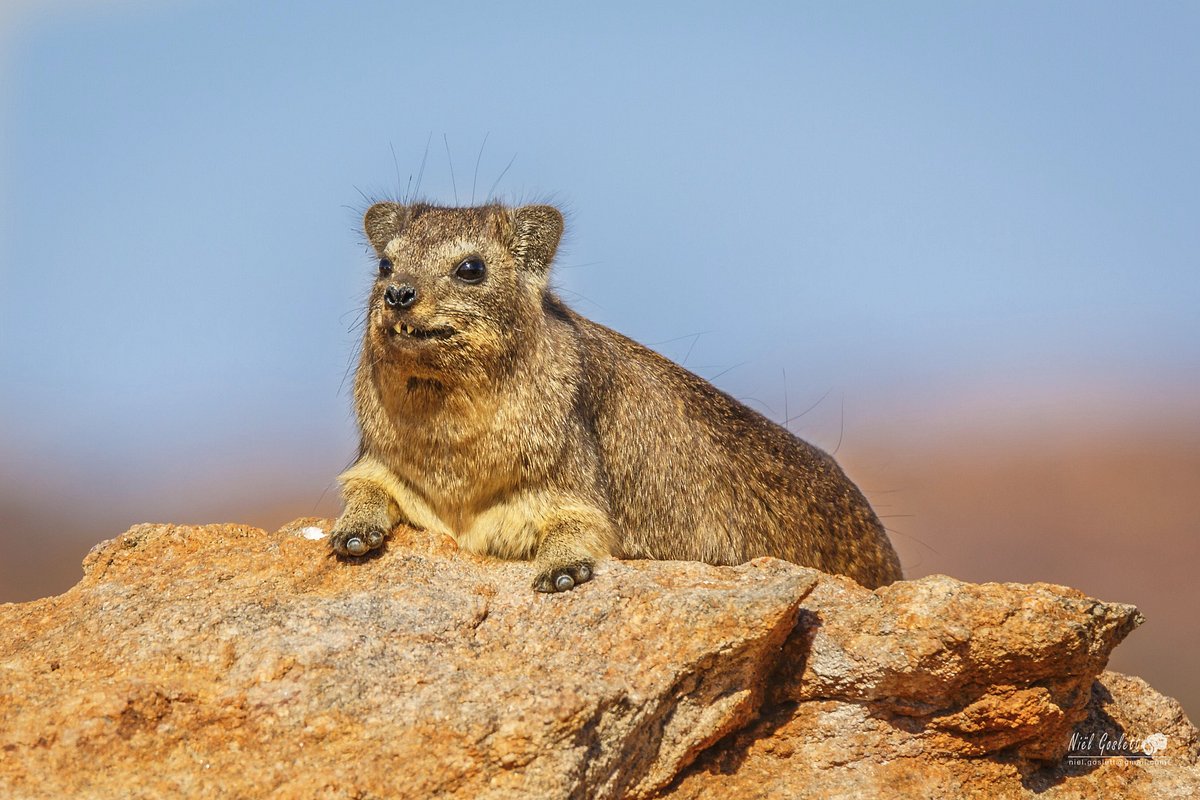
The desert-like environment of the park is home to flora and fauna uniquely adapted to extreme temperature fluctuations. Local giraffes are noticeably paler than their eastern counterparts to reflect the intense heat, and rock dassies and mongooses heavily rely on rock crevices and burrows to escape the sun.
You will find the Cape clawless otter, klipspringer, steenbok, springbok, gemsbok, kudu and eland. . The rare black rhino also lives here. Predators are black backed jackals, caracal, the bat eared fox, and the African wild cat, and the elusive leopard.
The tourist gravel road in the game viewing area is 94km long and will take approximately six hours to complete as you self drive. A picnic spot is situated halfway along the route, with ablution and braai facilities. No motorbikes are allowed on this road.
Amongst the plant species is the Quiver tree or Kokerboom (Aloe dichotoma). Traditionally, the Khoisan hunters made their quivers from this tree which dates back thousands of years and which produces vivid yellow flowers in May and June.
There are five 2x person chalets, a Gorge Cottage with stunning views and 2 family cottages. Prices range from- Chalets R1629 to Family cottages R3713
There is also a campsite for R369 per night.
(more info and to book) A 1% community charge is added to accommodation and activities.
Check with your doctor as you may need Malarial prophylaxis. Malaria is not prevalent but has been recorded in the past. Mosquito repellent and a head net will help you as there are gnats and midges too.