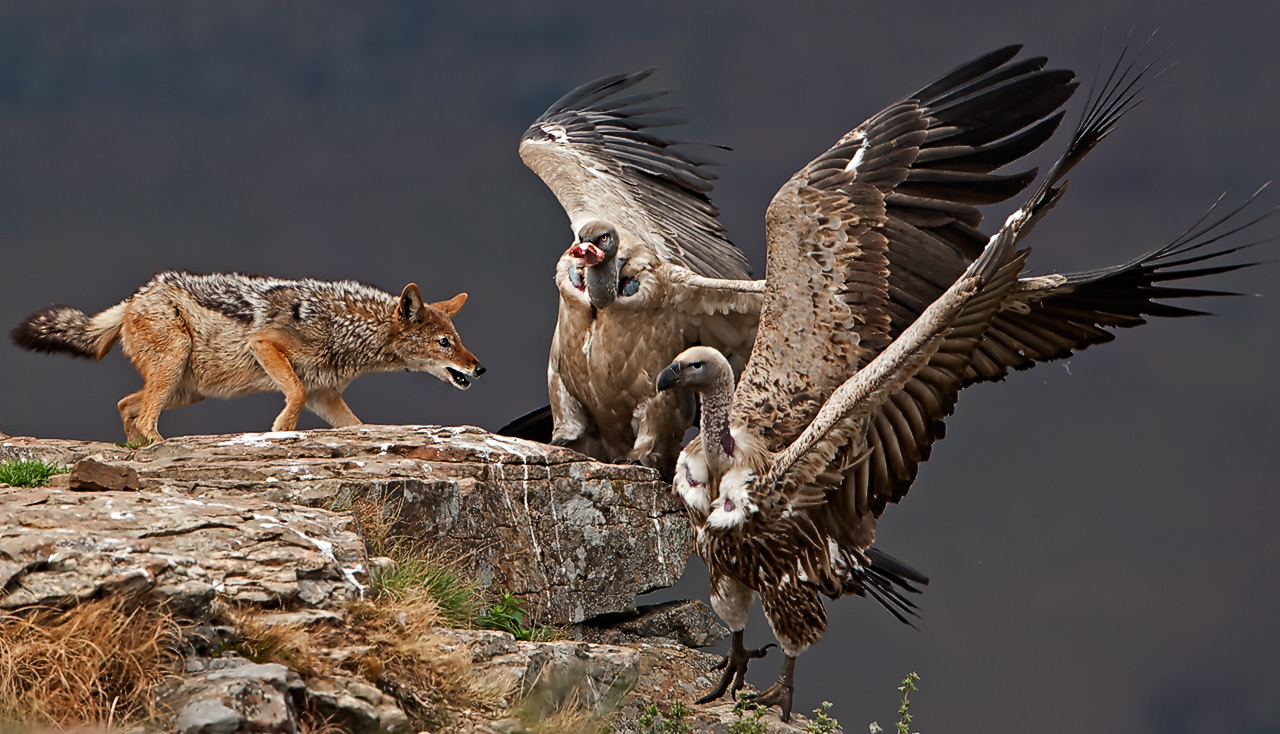
Adapted from a post by Antbear Eco Lodge.
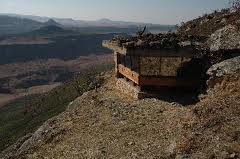
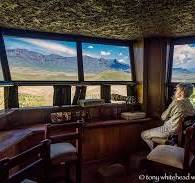
A number of vulture hides have been erected as vulture restaurants in the Drakensberg Mountains. They enable researchers, volunteers, photographers and the general public to get close to these treasured birds without disturbing them.
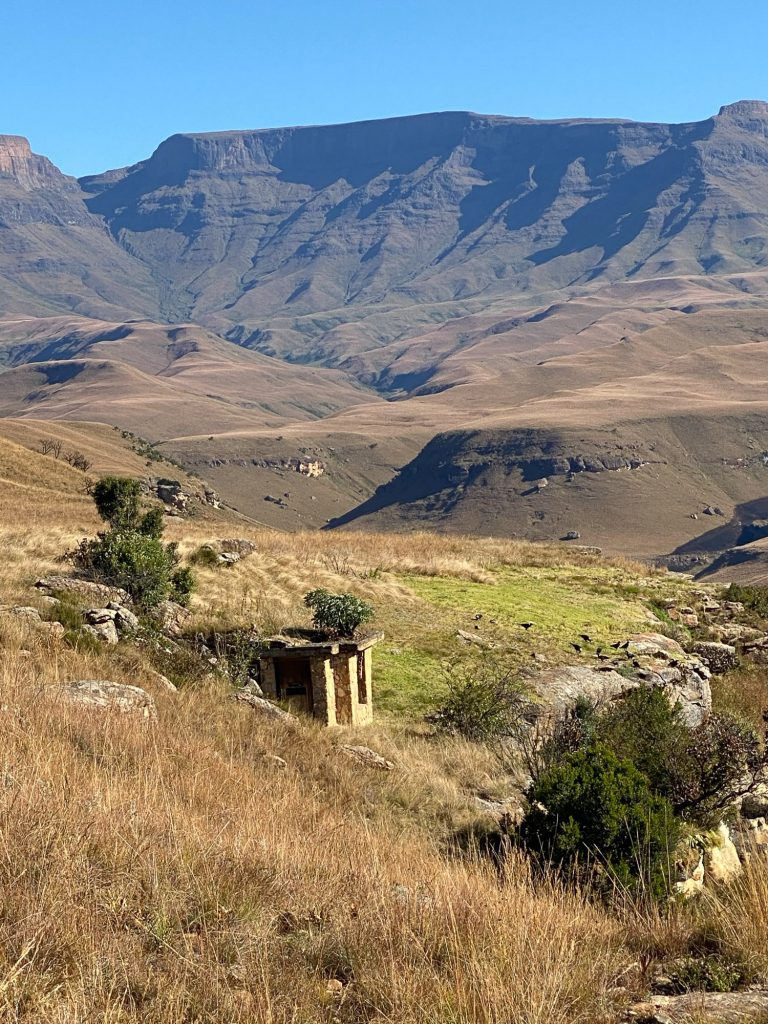
The Giant’s Castle hide is in a stunning setting. You will need a 4×4 or to go with a guide. If Foot and Mouth is around, the hide will be closed, so check first.
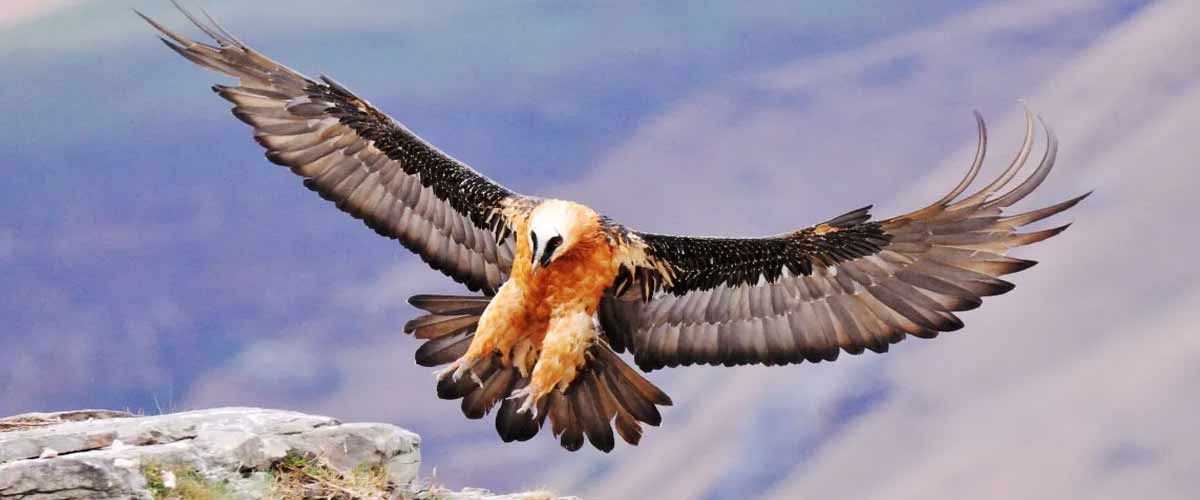
The Giant’s Castle Lammergeyer Vulture Hide has produced some of the best images of Lammergeyers/ Lammergeiers/ Bearded Vultures anywhere in the world. The situation is magnificent, with the broken ridges of the Drakensberg providing the backdrop. You may see other scavengers there too, such as jackals. In summer there may be migratory yellow billed kites, and you are likely to see starlings and raven.
Visit the hide are from May to September, when the vultures are breeding and need food supplemented. Reserve with Ezemvelo KZN Wildlife Central Reservations 033 845 1000. It is sometimes open in summer…so do call.
Be warned, the roads are badly maintained with potholes to test your nerves! Our advice following a visitor experience… part pay the guide AFTER he collects you!
Vultures in the Drakensberg
- The Bearded Vulture is an integral component of the environment, performing an essential ecological role as a scavenger. They are an economical way of disposing of carcasses and in doing so they limit the spread of disease. The Bearded Vulture is a spectacular sight and also has spiritual and cultural values in that they have played a role in many cultures over the centuries, for example ancient Egyptians, Buddhists. It is most famous for its method of dropping bones from a height and once broken they eat the marrow inside. The bearded vulture is one of the shyest of vultures, and lives a mostly solitary existence, on remote mountains and cliff faces.
- The Cape Vulture is southern Africa’s only endemic vulture species, and has recently been uplisted to ‘endangered’. The species breeds in South Africa, Lesotho, Botswana and Mozambique. Cape Vultures formerly bred in Swaziland, Zimbabwe and Namibia, but it is now extinct in Swaziland, with only small, non-breeding populations remaining in Zimbabwe and Namibia. The southern African population is listed at 2900 breeding pairs, of which approximately 1450 reside in the Maloti-Drakensberg mountains- about 20% of the population. Cape vultures live in colonies of up to 1000 breeding pairs, and despite large extended families they are loyal to one partner. They have a potential lifespan of over 30 years.